
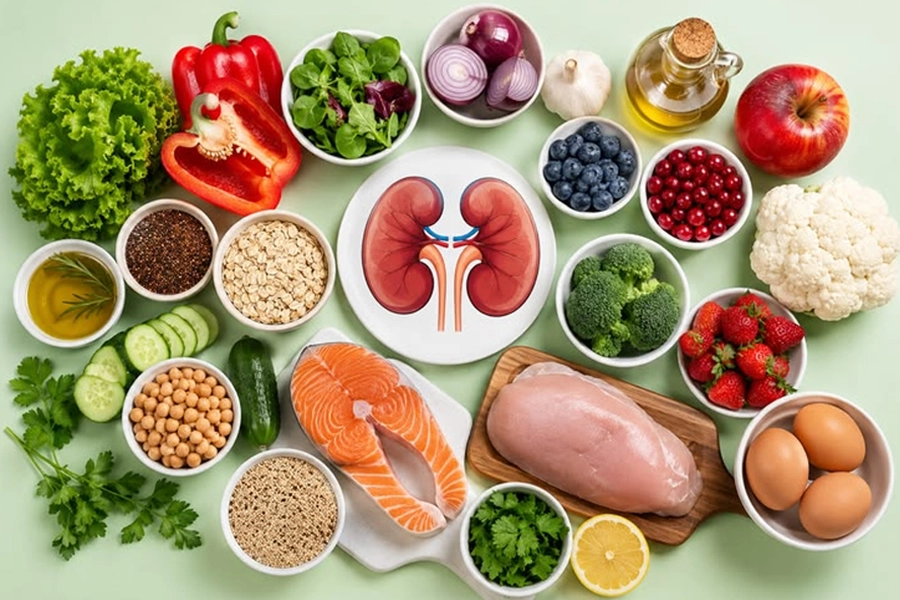
Here's a simple Ayurvedic guide to eating right for your kidney health.
The Ayurvedic Thinking Behind Kidney-Friendly Food
Ayurveda believes kidney health depends a lot on your Agni (digestive fire) and dosha balance. When digestion is weak, toxins (Ama) build up in the body and put extra load on the kidneys. So the goal isn't just "eating healthy" it's eating food that's easy to digest, naturally cleansing, and doesn't aggravate your doshas.
Foods Ayurveda Recommends for Kidney Health
1. Barley (Jau) Considered one of the best grains for kidney health in Ayurveda. It's light, easy to digest, and naturally helps flush out excess water and toxins.
2. Bottle Gourd (Lauki) Cooling, light, and high in water content lauki is a favourite in Ayurvedic kidney care. It's gentle on digestion and helps balance Pitta dosha.
3. Coriander Seeds & Leaves (Dhaniya) Coriander water (soak seeds overnight, strain, and drink) is a popular home remedy believed to support kidney function and reduce Pitta-related heat in the body.
4. Pumpkin (Kaddu) Easy to digest and cooling in nature, pumpkin is often included in kidney-friendly diets for its light, nourishing qualities.
5. Cucumber (Kheera) High water content, cooling, and gentle on the system — a simple daily addition that supports natural hydration and detox.
6. Pomegranate (Anar) Known in Ayurveda for its antioxidant-rich, cooling properties that are considered supportive for overall kidney wellness.
7. Buttermilk (Chaas) Light and easy to digest, buttermilk (especially with a pinch of cumin and rock salt) is often recommended to support digestion, which indirectly eases the load on kidneys.
8. Moong Dal Among the lightest and easiest-to-digest lentils in Ayurveda gentle on the whole system, including the kidneys.
9. Amla (Indian Gooseberry) Rich in natural Vitamin C and considered a powerful rejuvenator (Rasayana) in Ayurveda, amla is often included to support overall detox and immunity.
Foods to Reduce or Avoid
Just as important as what to eat is what to cut back on:
- Excess salt – disturbs water balance and strains kidney function
- Too much non - vegetarian or heavy protein – harder to digest, creates more metabolic waste
- Fried and oily food – increases Ama (toxin) build-up
- Excess tea, coffee, and alcohol – can dehydrate and irritate the system
- Stale or reheated food – considered "dead" food in Ayurveda, low in Prana (life energy) and harder to digest
- Too much sour, salty, and spicy food – can aggravate Pitta and Kapha, adding strain over time
A Few General Ayurvedic Eating Habits That Help
- Eat fresh, warm, home - cooked meals rather than packaged or processed food
- Don't overeat — Ayurveda recommends filling your stomach only about 3/4th full
- Stay hydrated, but sip water through the day rather than gulping large amounts at once
- Eat according to your body type (Prakriti) what suits a Pitta-dominant person may not suit a Kapha-dominant one
- Have your last meal early, giving your body enough time to digest before sleep
One Important Note
While these foods are generally considered kidney-friendly in Ayurveda, the right diet still depends on your specific condition — especially if you already have kidney disease, diabetes, or high BP. For example, some foods on this list (like certain fruits or dals) may need to be limited if your potassium or protein levels are already high. Always get a personalized diet plan from a qualified Ayurvedic doctor or dietitian based on your reports, not a general list.
The Takeaway for You
Your everyday plate has more power over your kidney health than most people realise. Simple, fresh, light, and seasonal food the Ayurvedic way can go a long way in keeping our kidneys strong for years to come.
Consult Now