
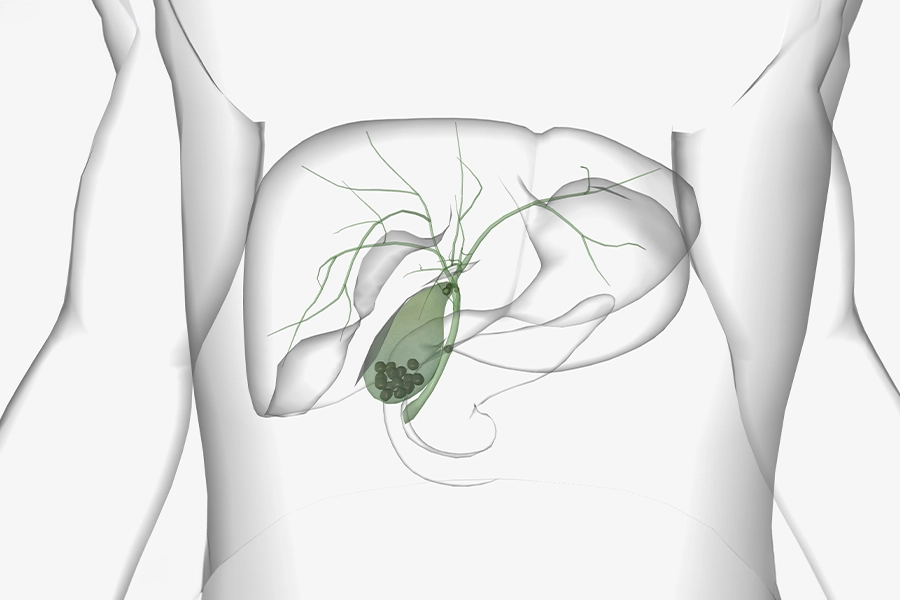
Ayurveda rarely treats digestive health as something you fix with a single remedy. Instead, it's built into dinacharya, a daily routine designed to keep digestion, bile flow, and overall balance steady from morning to night. Here's what a gallbladder-friendly day looks like through an Ayurvedic lens, and why each piece matters.
Morning: Waking Up Agni Gently
Ayurveda recommends starting the day with warm water, often with a squeeze of lemon, on an empty stomach. The idea is to gently stimulate digestion and support bile flow before the first meal arrives. This is typically followed by some form of movement — even ten to fifteen minutes of walking or gentle stretching — since Ayurveda considers early movement essential to "waking up" Agni, the digestive fire, before eating.
Breakfast itself is usually kept light and warm: cooked fruit, warm cereals, or soaked and lightly spiced grains are commonly recommended over cold, heavy, or fried breakfast foods, which are thought to burden a digestive system that's just getting started.
Midday: The Main Event
In Ayurvedic thinking, Agni is strongest around midday, roughly paralleling when the sun is highest. This makes lunch the meal that's traditionally meant to be the largest and most substantial of the day — not dinner, which is a common departure from many modern eating patterns.
A gallbladder-supportive lunch typically includes a mix of vegetables, whole grains, and moderate healthy fats, along with the bitter and pungent tastes Ayurveda associates with bile stimulation — think leafy greens, turmeric, cumin, and coriander. Overeating, even at this meal, is discouraged; the traditional guidance is to leave the stomach comfortably, not maximally, full.
Afternoon: Avoiding the Slump
The early afternoon is often when people reach for coffee or sugar to fight a post-lunch dip. Ayurveda instead suggests warm herbal teas — ginger, fennel, or cumin-coriander-fennel (CCF) tea are common choices — as gentle digestive aids that don't add extra heat or strain the way caffeine or sugar can.
This is also a good window for a short walk, both to aid digestion after lunch and to keep the body from becoming sedentary through the afternoon, which Ayurveda considers a contributor to sluggish bile flow over time.
Evening: Winding Down, Not Loading Up
Dinner is meant to be the lightest meal of the day, eaten earlier rather than later — ideally a few hours before bed. Heavy, oily, or very late meals are considered particularly hard on digestion in Ayurveda, partly because Agni is thought to naturally wane as the day ends.
A short walk after dinner, sometimes just a hundred steps, is a small but widely repeated piece of Ayurvedic advice, along with the general practice of avoiding lying down immediately after eating.
A Simple Daily Snapshot
| Time | Practice | Purpose |
|---|---|---|
| Early morning | Warm water, light movement | Gently stimulate Agni and bile flow |
| Breakfast | Light, warm, cooked foods | Ease into digestion |
| Midday | Largest meal, vegetables + grains + bitter/pungent tastes | Match food intake to peak Agni |
| Afternoon | Herbal tea, short walk | Avoid sluggishness, support digestion |
| Evening | Light dinner, earlier timing | Reduce burden on digestion overnight |
| After dinner | Short walk, no lying down immediately | Aid digestion before rest |
Adjusting for the Season
Ayurveda also factors in season. During Pitta season, roughly the hottest months of the year, practitioners often recommend leaning further into cooling, hydrating foods and easing off spicy, fried, or heating foods, since this is considered the time of year when Pitta-related issues, including bile-related discomfort, are most likely to flare.
Altogether
None of this needs to be followed perfectly to be useful. Even adopting two or three of these habits — a consistent lunch time, an after-dinner walk, lighter evening meals — can make a noticeable difference over weeks and months. As always, if you're managing an existing gallbladder condition, loop in a physician or qualified Ayurvedic practitioner before making significant changes, especially around diet and herbal teas.
Consult Now